
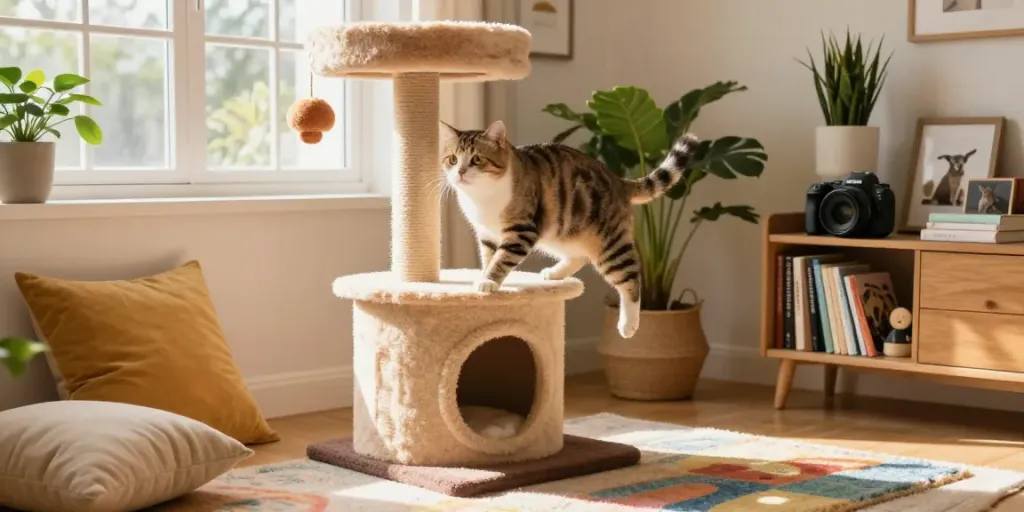
The History of Cat Cat Trees: A Journey Through Time
Throughout history, the relationship between cats and humans has evolved significantly. As our understanding of feline behaviour deepened, so did the designs of cat-related products. One remarkable innovation in this realm is the cat cat tree, a multi-level structure that not only serves as a play area but also caters to the innate climbing instincts of cats. In this exploration, we will delve into the origins of cat trees, examining their transformation from simple constructions to sophisticated playhouses that cater to a wide array of feline preferences.
Early Designs of Cat Cat Trees
The concept of creating elevated spaces for cats can be traced back to ancient times when cats were revered for their hunting abilities. Early designs were rudimentary—often just basic wooden platforms or shelves affixed to walls. These structures provided a safe space for cats to observe their surroundings from a height, mimicking the natural behaviour of stalking prey from elevated perches in the wild. As time progressed, artisans began to craft more intricate designs using various materials to accommodate the needs of domestic cats.
The Influence of Feline Behaviour on Design
Understanding feline behaviour has been crucial in the advancement of cat tree designs. Studies show that cats are naturally inclined to climb, scratch, and hide. Consequently, modern cat trees are designed to incorporate scratching posts, multiple levels, and enclosed spaces for hiding. Each feature addresses specific behavioural instincts—scratching helps maintain their claws, while climbing satisfies their curiosity and energy levels. This knowledge has prompted manufacturers to innovate continuously, ensuring that cat trees remain engaging and relevant in the lives of cats.
Transitioning from Simple to Complex Cat Trees
As the demand for more sophisticated cat furniture grew, so did the complexity of cat trees. The transition from simple wooden platforms to luxurious, multi-functional cat trees included features such as integrated hammocks, tunnels, and even interactive toys. These developments have transformed cat trees from mere furniture pieces into essential elements of feline care and enrichment, providing a space for exercise, relaxation, and play.
Choosing the Right Cat Cat Tree for Your Feline Friend
Selecting the perfect cat cat tree for your kitty entails understanding their unique personality traits and preferences. Several factors can influence your choice, making it vital to consider your cat’s specific needs before making a purchase.
Understanding Your Cat’s Personality and Preferences
Every cat has distinct preferences and behaviours that can guide your selection. For example, some cats prefer to perch high above the ground, while others may enjoy the comfort of darker, enclosed spaces to retreat into. Observing your cat's behaviour can provide insights into whether they are more active climbers or prefer lounging comfortably on various levels.
Key Features to Look For in a Cat Cat Tree
- Multiple Levels: Ensures plenty of climbing opportunities and provides various vantage points.
- Scratch Posts: Essential for maintaining claw health and preventing damage to your furniture.
- Hiding Spots: Enclosed areas help cats feel secure and encourage instinctive behaviour.
- Durable Materials: Look for sturdy construction that can withstand scratching and jumping.
Top Materials for Durability and Safety
Choosing quality materials is paramount when selecting a cat tree. Look for designs made from plywood or solid wood, as they offer stability and durability. Additionally, ensure that any fabrics used are non-toxic and easy to clean. Sisal rope is often favoured for scratching surfaces due to its durability and effectiveness in satisfying a cat's natural scratching instincts.
The Benefits of Cat Cat Trees for Cats and Owners
Investing in a cat cat tree not only benefits your feline friend but also enhances your home environment. Understanding these advantages can help you appreciate the value of cat trees beyond mere furnishings.
Physical and Mental Stimulation for Cats
Cat trees provide essential physical exercise and mental stimulation. Climbing, jumping, and exploring different levels keep cats engaged and active, contributing to their overall health. Regular playtime on a cat tree can help prevent obesity and related health issues.
Enhancing the Home Environment
A well-placed cat tree can enhance your living space, offering a dedicated area for your cat to play and relax. Choosing aesthetically pleasing designs can complement your home decor while providing your cat with an enriching environment. This dual-purpose functionality elevates the overall atmosphere of your home.
Reducing Furniture Damage and Saving Costs
Cat trees can significantly reduce damage to furniture, curtains, and carpets. By providing a designated scratching area, cats are less likely to indulge in destructive behaviours around the house. This preventative measure can save you money on repairs and replacements over time.
Popular Trends in Cat Cat Tree Designs for 2026
As we look ahead to 2026, cat tree designs continue to evolve, reflecting changing aesthetics and technological advancements. It's essential to stay updated on the latest trends to ensure you choose a tree that appeals to both your cat and your sense of style.
Modern Aesthetic Meets Functionality
Many contemporary cat trees are designed with sleek lines and modern materials, seamlessly blending into home decor. These designs often feature neutral colours and minimalist aesthetics that appeal to pet owners who want a stylish addition to their living space.
Eco-Friendly Designs and Sustainable Materials
With a growing awareness of environmental issues, many brands are now producing cat trees from sustainable materials. Eco-friendly options include recycled wood, biodegradable fabrics, and non-toxic adhesives. These choices not only benefit the planet but also provide safe environments for pets.
Smart Technology Integration in Cat Cat Trees
Innovations in smart technology have begun to influence cat tree designs. Some modern cat trees come equipped with interactive features, such as built-in toys that can be controlled via smartphone apps or designs that encourage physical activity through gamified elements. Such integrations can keep your feline friend entertained and active, even when you're not home.
Caring for Your Cat Cat Tree: Maintenance and Tips
Proper maintenance of your cat tree is crucial for its longevity and your cat's safety. Understanding how to care for this investment will ensure a safe and enjoyable experience for your feline companion.
Cleaning and Upkeep Best Practices
Regularly vacuuming and spot-cleaning your cat tree can help maintain hygiene. Fabrics may need washing or replacing depending on wear. Consider using removable covers or choosing materials that are easy to clean to simplify this process.
Regular Inspections for Safety
Periodically inspect your cat tree for any signs of wear and tear. Check for loose screws, frayed ropes, or damaged platforms. Addressing these issues promptly will help prevent accidents and ensure your cat's safety while exploring their tree.
When to Replace or Upgrade Your Cat Cat Tree
Cat trees have a life cycle, and it’s essential to know when it’s time to replace or upgrade yours. If you notice significant damage, instability, or if your cat seems uninterested in using the tree, it may be time for a new model that better suits their needs.
What is the ideal size for a cat cat tree?
The ideal size for a cat tree depends on your living space and your cat's size and activity level. A general guideline is to choose a cat tree that allows your cat to jump and climb comfortably without feeling cramped.
How can I encourage my cat to use the cat cat tree?
Encouraging your cat to use their new tree can be achieved by placing treats or toys on different levels. Additionally, spending time playing with them around the cat tree can help spark their interest.
Are there cat cat trees suitable for larger breeds?
Yes, many manufacturers offer cat trees specifically designed for larger breeds. Look for sturdy constructions with reinforced platforms and wider spaces to accommodate bigger cats comfortably.
What features should a cat cat tree have for multiple cats?
When choosing a cat tree for multiple cats, opt for larger designs that include multiple levels, scratching posts, and various lounging spots to prevent territorial disputes and encourage cooperative play.
How do I properly maintain a cat cat tree?
Maintaining a cat tree involves regular cleaning, checking for stability, and replacing worn parts as necessary. Keeping the tree in good condition will ensure it remains a safe and enjoyable haven for your cat.